
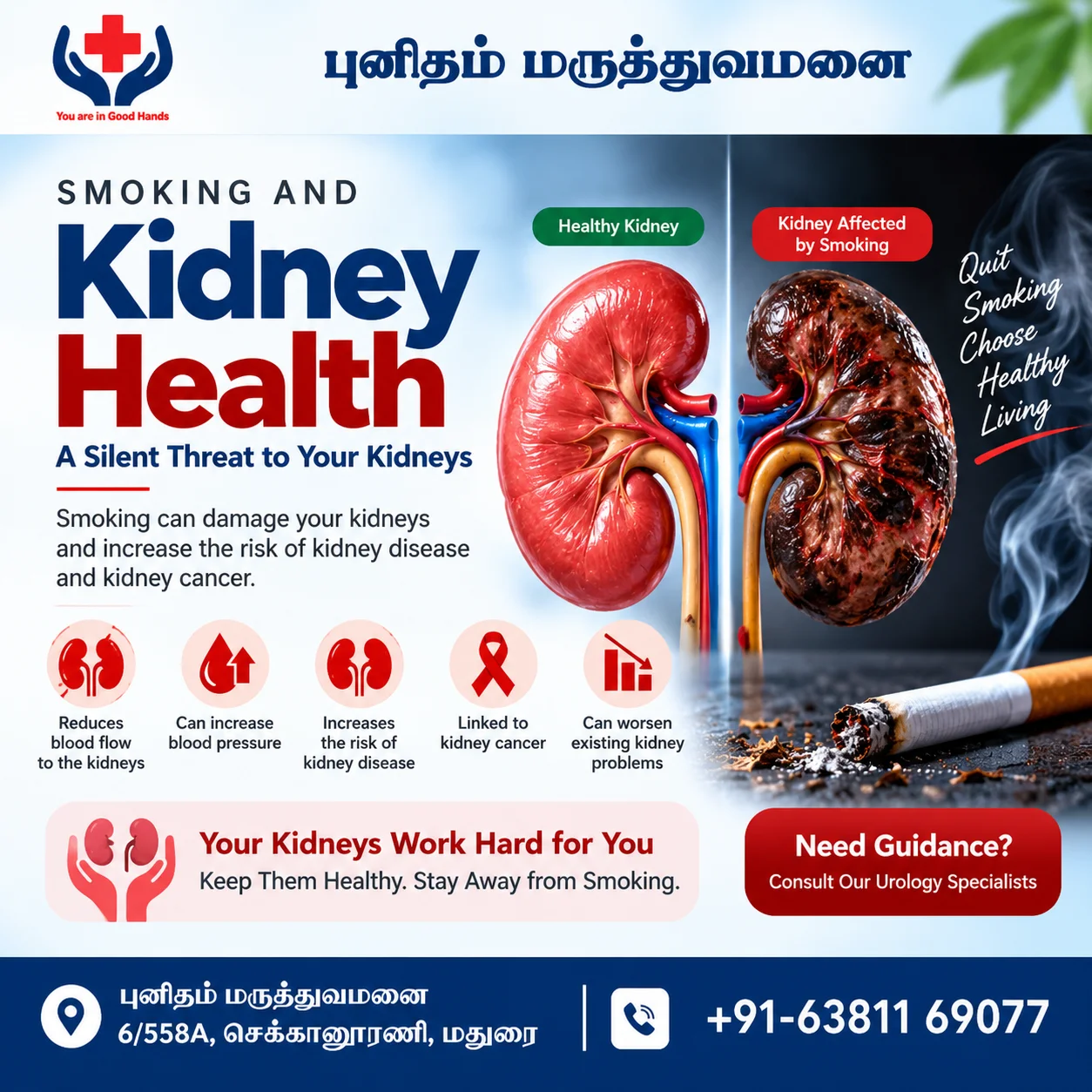
When we think about the harmful effects of smoking, the lungs and heart are usually the first organs that come to mind. However, smoking can also affect kidney health.
Your kidneys are vital organs that filter waste and excess fluid from your blood, help regulate blood pressure, and maintain the body’s chemical balance. When kidney function is affected, waste products can gradually build up in the body.
So, does smoking affect your kidneys? Yes. Smoking can damage blood vessels, contribute to high blood pressure, increase the risk of kidney disease, and is also associated with an increased risk of kidney cancer.
In this article, we explain the connection between smoking and kidney health, the possible warning signs of kidney problems, and what you can do to protect your kidneys.
What Is the Connection Between Smoking and Kidney Health?
The kidneys receive a significant amount of blood every minute to perform their filtering function. Smoking introduces harmful chemicals into the body that can affect blood vessels and cardiovascular health.
Over time, these effects can place additional stress on the kidneys.
Smoking is particularly concerning for people who already have risk factors such as:
- High blood pressure
- Diabetes
- Heart disease
- Existing kidney disease
- A family history of kidney disease
According to health authorities, smoking can make kidney disease worse and stopping smoking is an important part of protecting kidney health.
5 Ways Smoking Can Affect Your Kidneys
1. Smoking Can Affect Blood Flow to the Kidneys
Healthy blood vessels are important for normal kidney function.
Chemicals in cigarette smoke can damage blood vessels and contribute to vascular problems. Changes in blood flow can place additional stress on organs such as the kidneys.
Because the kidneys depend on an adequate blood supply to filter the blood effectively, maintaining good cardiovascular health is important for kidney health.
2. Smoking Can Increase the Risk of Kidney Disease
Research has linked cigarette smoking with an increased risk of chronic kidney disease.
Chronic kidney disease, or CKD, occurs when the kidneys become damaged and gradually lose their ability to function properly.
In its early stages, CKD may not cause obvious symptoms. This is one reason why people with risk factors should discuss appropriate kidney health checks with their doctor.
3. Smoking Can Affect Blood Pressure
High blood pressure is one of the major risk factors for chronic kidney disease.
Smoking can affect cardiovascular health and make blood-pressure management more difficult. At the same time, uncontrolled high blood pressure can damage the small blood vessels inside the kidneys.
This creates an important connection between smoking, blood pressure and kidney health.
If you smoke, regular blood pressure monitoring is an important part of maintaining your overall health.
4. Smoking Is Linked to Kidney Cancer
Smoking is also a recognised risk factor for kidney cancer, including renal cell carcinoma.
The risk of cancer can be influenced by several factors, and smoking is one modifiable risk factor.
Quitting smoking can reduce the risk of several smoking-related cancers over time and provides benefits for your overall health.
5. Smoking Can Make Existing Kidney Problems Worse
If someone already has kidney disease, continuing to smoke can place additional strain on their health.
People with chronic kidney disease may already have an increased risk of cardiovascular complications. Smoking can add to these risks.
For this reason, people diagnosed with kidney disease are generally encouraged to stop smoking with appropriate professional support.
What Are the Symptoms of Kidney Problems?
One of the challenges with kidney disease is that early kidney problems may not cause noticeable symptoms.
As kidney problems progress, some people may experience:
- Blood in the urine
- Changes in urination
- Frequent or painful urination
- Swelling around the feet, ankles or face
- Persistent pain in the side or lower back
- Unexplained tiredness
- Nausea or vomiting
- Changes in appetite
- High blood pressure
- Unexplained changes in weight
These symptoms can have many possible causes. They do not necessarily mean that someone has kidney disease.
If you notice persistent or concerning symptoms, consult a qualified healthcare professional for proper evaluation.
Who Is at Higher Risk of Kidney Disease?
Smoking is only one factor associated with kidney health. Some people have a higher risk of kidney disease because of other medical or lifestyle factors.
You may need to pay particular attention to kidney health if you have:
Diabetes
Diabetes is one of the leading causes of chronic kidney disease. High blood sugar over a long period can damage the blood vessels in the kidneys.
High Blood Pressure
Uncontrolled high blood pressure can damage the blood vessels that help the kidneys filter blood.
Heart Disease
Kidney and cardiovascular health are closely connected. People with cardiovascular problems may have a higher risk of kidney problems.
Family History
Having close family members with kidney disease may increase your risk.
Smoking
Smoking is a modifiable risk factor associated with kidney disease and kidney cancer.
Can Quitting Smoking Help Protect Your Kidneys?
Yes. Quitting smoking is an important step toward better kidney and overall health.
If you have been smoking for several years, quitting may feel difficult. However, you don’t have to do it alone.
A healthcare professional can help you understand smoking-cessation options and develop a plan based on your individual situation.
Quitting smoking can also benefit your:
- Heart health
- Lung health
- Blood pressure
- Circulation
- Cancer risk
- Overall quality of life
The earlier you stop, the sooner you can begin reducing the health risks associated with tobacco use.
How Can You Protect Your Kidney Health?
Along with quitting smoking, several healthy habits can help support kidney health.
1. Monitor Your Blood Pressure
Regularly check your blood pressure, particularly if you have a history of hypertension.
2. Manage Diabetes
If you have diabetes, follow your healthcare professional’s advice regarding blood sugar management and regular health checks.
3. Stay Physically Active
Regular physical activity can support cardiovascular health, weight management and blood-pressure control.
4. Maintain a Healthy Diet
A balanced diet can support overall health and help manage conditions such as diabetes and high blood pressure.
5. Avoid Tobacco
If you smoke, consider seeking professional support to quit.
6. Don’t Ignore Warning Signs
Blood in the urine, persistent urinary symptoms or unexplained side/back pain should not be ignored.
When Should You See a Urologist?
You should consider consulting a urologist if you experience persistent urinary or kidney-related symptoms such as:
- Blood in your urine
- Recurrent urinary problems
- Persistent pain in the side or lower back
- Difficulty passing urine
- Changes in urination
- Recurrent kidney stones
- Other unexplained urinary symptoms
A urologist can assess your symptoms and determine whether further investigations are necessary.
Frequently Asked Questions
Does smoking affect kidney health?
Yes. Smoking is associated with kidney disease and can worsen existing kidney problems. It can also affect cardiovascular health and blood pressure, which are closely connected to kidney health.
Can smoking cause kidney damage?
Smoking can contribute to factors that damage kidney function and is associated with an increased risk of chronic kidney disease.
Can smoking cause kidney cancer?
Smoking is a recognised risk factor for kidney cancer, including renal cell carcinoma.
Can quitting smoking improve kidney health?
Quitting smoking can reduce exposure to harmful tobacco chemicals and is an important step toward protecting overall and kidney health, particularly for people who already have kidney disease.
Can kidney disease occur without symptoms?
Yes. Early chronic kidney disease may have few or no noticeable symptoms. People with risk factors should discuss appropriate screening and kidney-function testing with their healthcare professional.
Should smokers get their kidneys checked?
If you smoke and also have risk factors such as diabetes, high blood pressure, heart disease or a family history of kidney disease, speak with your doctor about whether kidney-function testing is appropriate for you.
Protect Your Kidneys. Protect Your Health.
Your kidneys work continuously to filter your blood and maintain the body’s internal balance. Taking care of your kidney health means paying attention to important risk factors — including smoking.
Quitting smoking, managing blood pressure and diabetes, staying active, and seeking medical advice when symptoms appear can all play an important role in protecting your health.
If you are experiencing kidney or urinary symptoms, consult a qualified urologist for proper evaluation and treatment.
Punitham Hospital – Urology & Advanced Care, Madurai
For consultation and evaluation of kidney and urological conditions, speak with a qualified urology specialist.
Disclaimer: This article is intended for general health awareness and does not replace professional medical advice, diagnosis or treatment. Individual treatment and testing requirements may vary. Please consult a qualified healthcare professional for personalised medical advice


